



Contenuti in evidenza
The greatest threat to our planet is the belief that someone else will save it.
Ecohesion Collective: social cohesion in the ecological transformation
Ecohesion Collective is a Research Center within the Department of Economics and Management at the University of Pisa that studies the interactions between climate policies, economic transformations, and redistributive mechanisms. Policies aimed at tackling climate change can in fact generate social and distributive tensions, hindering a transition toward a low-carbon and socially equitable economy.
Ecohesion Collective addresses this challenge with a systemic and multidisciplinary approach that integrates economics, social sciences, and environmental policies, analyzing how climate and energy policies influence economic structure, income distribution, and access to resources. It studies redistributive mechanisms to support the ecological transition, assessing the social impact of emission reduction policies and strategies to mitigate their regressive effects. The Ecohesion Research Center's three areas of work focus on: social behavior and cohesion, macroeconomic simulations, and civic engagement.
Behaviors and social cohesion
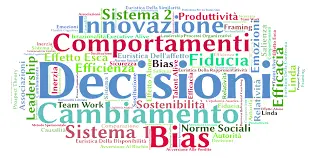
Behavioral economics provides us with methods and theories to study under what conditions the ongoing socio-economic transformations and the eco-social policies supporting the ecological transition can lead to a fair, inclusive, and widely supported path—one that is embraced by individual choices and socially feasible. In this area of research, we use tools from experimental economics and microeconomic modeling to investigate the cognitive, psychological, relational, and social factors that shape individual responses to the introduction of economic (dis)incentives or to the social and institutional innovations promoted through policy interventions.
Macroeconomic simulations
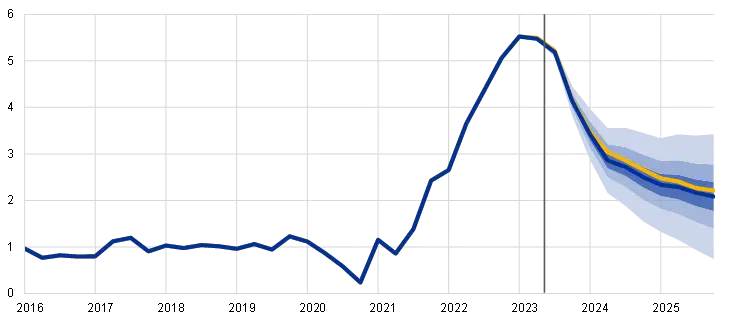
In our research group, we use economic modeling to analyze the relationship between growth, inequality, and the ecological transition. Through large-scale simulations and innovative methods, we assess the most effective policy combinations for reducing emissions without compromising social equity. Our approach goes beyond the limits of traditional analyses, exploring complex scenarios to identify sustainable and inclusive transition strategies.
Dissemination and civic engagement

The results are used for education and public awareness. The following learning tools have been developed: a web simulator that allows members of the general public to run their own scenario analyses; a board game designed to give children a systemic understanding of the relationship between climate and society; and an advanced training course for professionals, policymakers, and other interested stakeholders.
Ecohesion France: a budget for an ecological and social shift ahead of french elections 2027
Ecohesion France, the collective of French researchers connected to the Ecohesion Collective in Pisa, publishes a dossier dedicated to the economic and political debate in France ahead of the 2027 presidential election.
Tutte le novità![[Translate to English:]](/fileadmin/_processed_/e/6/csm_immagiune_francia_985ab1a342.webp "[Translate to English:]")
Other News
Ecohesion in Siena for the WISER International Conference: Can Economy, Happiness and Ecology Be Reconciled?
The Ecohesion Research Centre will take part in the final conference of WISER – *Well-being in a Sustainable Economy Revisited*, the European project exploring how to reconcile the economy, happiness and ecology, organised by the University of Siena from 9 to 11 September.
Read moreEcohesion in Siena for the WISER International Conference: Can Economy, Happiness and Ecology Be Reconciled?
A just low-carbon transition requires coordinated policies
A new study based on the Eurogreen model shows that reducing emissions and inequality at the same time is possible, but requires a combination of social, redistributive and energy policies.
Read moreA just low-carbon transition requires coordinated policies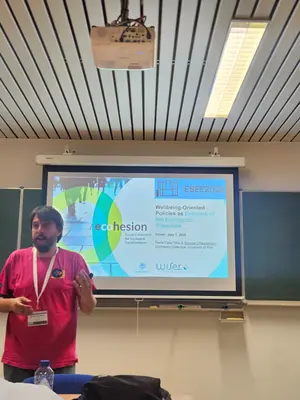
Ecohesion at the European Conference on Ecological Economics in Ghent
The Ecohesion Collective's participation in the European Society for Ecological Economics Conference in Ghent reflects its ongoing commitment to research on well-being, sustainability, and economic models that support a just transition.
Read moreEcohesion at the European Conference on Ecological Economics in Ghent